
Industry Insights
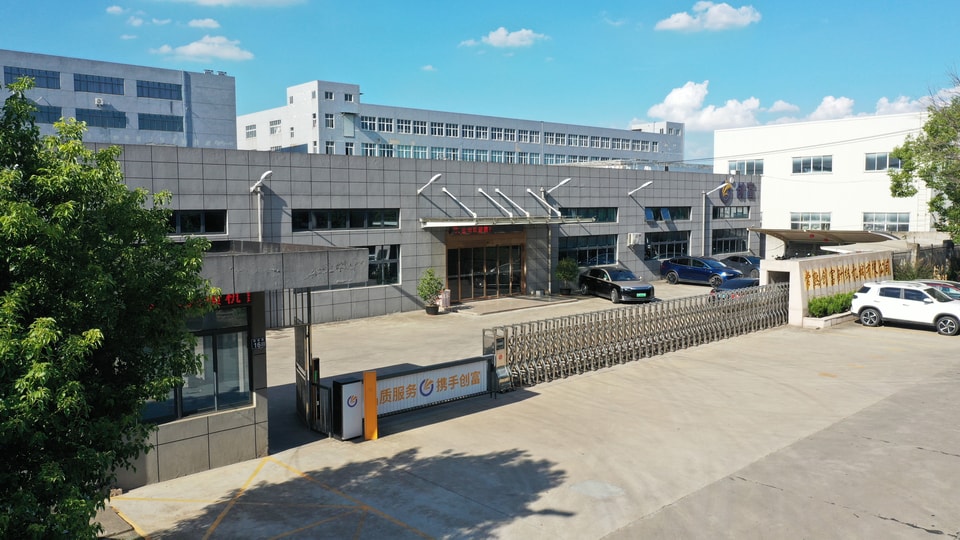
Integrated design, R&D and manufacturing of computerized flat knitting machinery since 2010.
Brief Introduction to Double Jersey Circular Knitting Machine
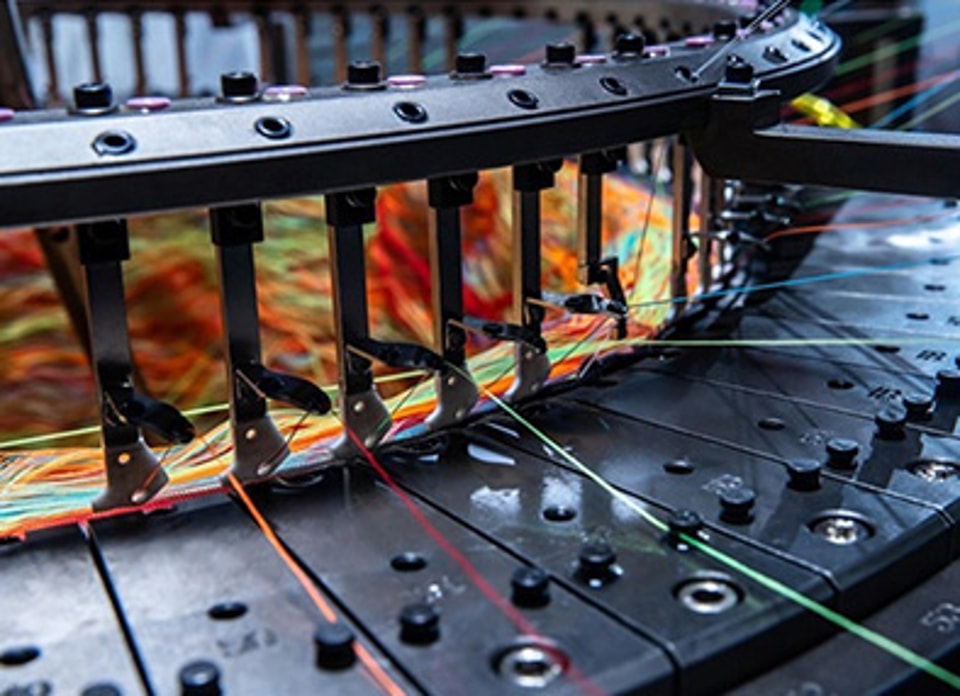
A double jersey large circular knitting machine is equipped with two needle cylinders, namely the upper needle cylinder (commonly known as dial) and the lower needle cylinder, which are arranged perpendicularly to each other.Understanding the two-cylinder arrangementThe original description identifies the defining layout: an upper dial and a lower cylinder. For someone evaluating circular knitting equipment, this arrangement is a useful starting point, but it is not by itself a complete machine specification. Ask which structures and fabric constructions a proposed machine can support, and verify the answer against a physical sample. The selected yarn, gauge, needle arrangement and fabric design all belong in that conversation. Avoid assuming that any two-cylinder machine will produce every double jersey fabric in the same way.A circular machine is also a different equipment category from the computerized flat knitting machines listed elsewhere in the product catalog. The comparison should start with the target fabric and intended downstream use rather than the shared word “knitting.” A buyer seeking a tubular fabric should state the required fabric structure and finishing route; a buyer seeking a shaped panel or collar should describe the panel geometry. This distinction helps the supplier direct the inquiry to an appropriate equipment family without promising an unverified output or speed.Questions for a technical evaluationBegin with a fabric swatch, construction diagram or other reference that shows both sides of the desired material. Record the intended yarn composition and count, finished fabric dimensions, target hand feel and quality checks. Ask the technical team to explain how the upper and lower needle positions are used for that specific fabric. A sample discussion is more informative than choosing equipment solely from a headline description. Any production target should be assessed only after the proposed configuration and material have been confirmed in writing.When requesting a quotation, include the intended application, sample reference, yarn information, site power details and any constraints on floor space, service access or downstream processing. Request a machine-specific specification sheet and clarify the exact scope of supply, operator instruction and technical support. These questions do not imply a fixed price, delivery date or guaranteed throughput; they establish what needs to be verified before purchase.Maintenance and support planningBefore commissioning any circular knitting machine, obtain the manufacturer’s approved procedures for needle inspection, cleaning, lubrication and safety checks. Operators should know how to stop the machine when a defect appears and how to document the fabric, yarn and operating conditions for a service request. Agree with the supplier on spare-part identification and the route for troubleshooting the actual model being purchased. Documenting these details alongside a reference sample makes subsequent production and maintenance discussions more precise.In short, the upper dial and lower cylinder define the basic layout presented here; they do not replace model-level verification. A well-formed inquiry pairs the fabric requirement with the exact configuration, sampling plan and support questions so that technical suitability can be assessed on evidence rather than on a generic machine label.
Read More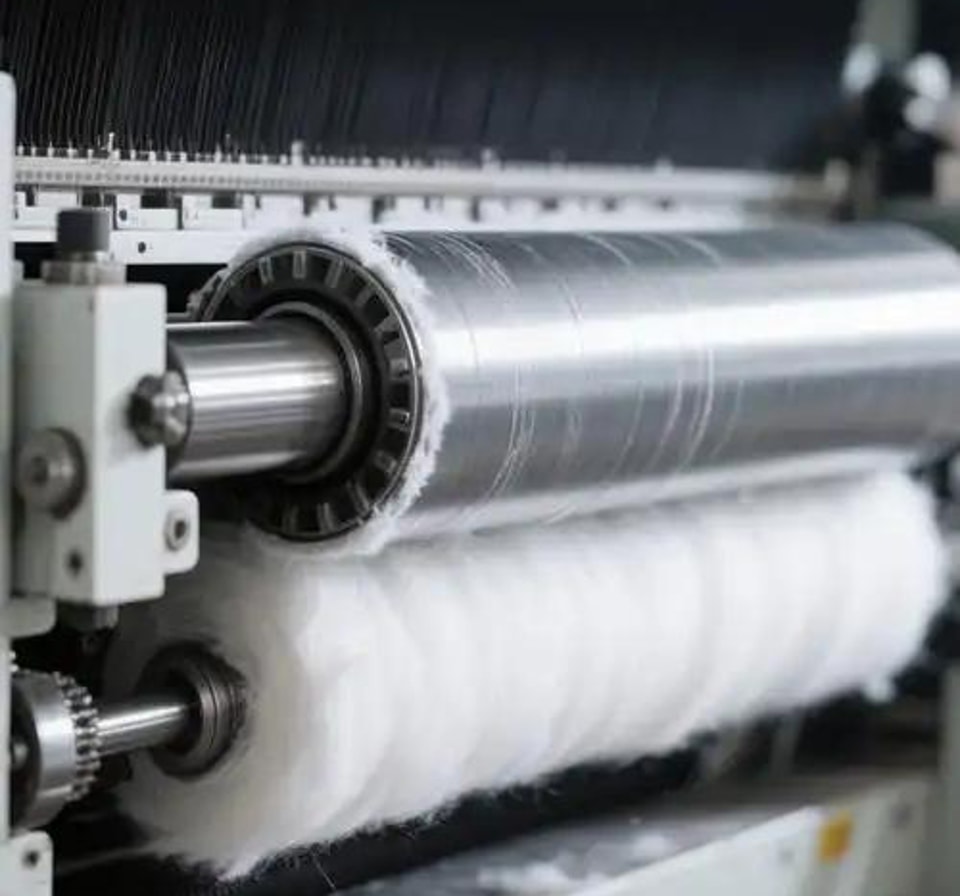
Textile Tech | Full Maintenance Guide for Carding Machine
With the continuous advancement of textile machinery, the output and operating speed of carding machines keep rising, which sets more stringent standards for their maintenance and upkeep. Since the performance of carding machines is closely linked to finished product quality, proper operation and maintenance are particularly essential. Daily Maintenance of Carding Machines Routine maintenance is the core guarantee for stable carding performance. Regular inspection, cleaning, lubrication and adjustment can ensure steady machine operation and optimize carding efficiency. 1. Standards for Well-maintained Carding Machines The basic criteria are six sharp components, accurate gauges and smooth material passages. Six sharp components: Sharp wire clothing on cylinder, doffer, flat tops, taker-in roller, fixed flats and stripping rollers. Accurate gauges: Precise setting of all working clearances. 2. Technical Maintenance Measures Follow specified cycle, scope and quality requirements for machine cleaning and overhaul. Master wire clothing winding methods, quality standards, cylinder technical requirements, grinding techniques and dynamic balance calibration; control winding tension reasonably. Grasp key points and operating norms for flat top grinding. Be proficient in carding gauge calibration procedures and specifications. Be familiar with common equipment faults and corresponding solutions. Keep updated on new technologies for reprocessing carding machine special spare parts. 3. Importance of Periodic Machine Cleaning Periodic cleaning ensures smooth operation and keeps equipment in optimal condition. Its purposes include removing cotton wax and oil agents inside fiber passages, clearing lint, dust and other attachments, adjusting abnormal waste dropping and inspecting vulnerable parts. 4. General Quality Standards for Machine Cleaning Inspect and repair damaged parts and loose belts; eliminate unsmooth passages and electrical faults; control key process gauges within the range of -1 to +3 thousandths of an inch. Proper use of taker-in roller gauging tools to calibrate clearances between taker-in roller and pre-card plate as well as taker-in roller and lower mote board. Follow fixed cleaning sequence: from inside to outside, top to bottom. Avoid redundant operations to improve working efficiency. 5. Operating Skills of Taker-in Roller Gauging Tools Main components: standard spindle, special radius gauge and dummy bearing. Adjust rear large mote board process clearance accurately during cleaning. Set inlet and outlet clearances of small mote board and pre-card plate according to actual waste dropping demands. It is vital to master airflow rules inside the carding machine. Fine adjustment of waste dropping arc length and inlet & outlet airflow can stably control waste dropping rate and guarantee production efficiency and product quality. Regular cyclic maintenance is also indispensable. Strictly follow cleaning routes and combine daily patrol inspection with scheduled overhaul to eliminate hidden troubles in a timely manner. Key Technologies for Wire Clothing Winding Inspection standards and methods for cylinder and doffer drums. Straight & oblique grinding techniques for out-of-round drums. Dynamic balance calibration procedures. Edge strip fitting and turning processing steps. Flatness Detection Method Take the machine frame plane as the reference, use straightedge and equal-height blocks to ensure axial parallelism with the drum, and conduct detection with 0.02mm feeler gauges at eight equally divided positions on the drum surface. Dynamic Balance Calibration Standards & Methods Balance tolerance: cylinder ≤ 0.05mm; doffer ≤ 0.10mm. Balance weights shall be installed flexibly without jamming. Critical resonance speed: cylinder 200–230 rpm, doffer 250–300 rpm. Common field calibration methods: single-sided marking, double-sided marking, disc method and optimization method; double-sided marking combined with disc method is widely adopted. Double-sided Marking Operation Steps Set up marking platform at the same height as the cylinder axis. Cut off belt transmission when reaching critical vibration speed. Loosen fixing screws, mark lines with chalk repeatedly to confirm consistent positions. Measure vibration amplitude on both sides via dial indicators and record data. Light Spot Confirmation & Balance Weight Matching Confirm the midpoint of double marked lines as the light weight position. Apply putty for trial balancing: 3–5 grams per mil for cylinders, 2–5 grams per mil for doffers; fine-tune via repeated tests. Increase formal balance weight by about 5% based on putty weight; adjust position forward or backward until reaching qualified balance standard. Edge Strip Fitting & Machining Techniques Control tangent and normal parameters during grooving rack installation to prevent tool jumping and slipping. Keep horizontal slide parallel and vertical slide perpendicular to the drum surface to ensure vertical grooving. Correctly install turning tools and stroke control dial indicators. Adopt alloy steel or tungsten steel tools with cutter width 0.1mm narrower than the maximum groove width. Mark tool starting positions clearly for position monitoring. Set groove width 0.5–0.7mm narrower than edge strip thickness for tight interference fit. Hammer or press edge strips evenly into grooves with copper hammers or special rolling tools. Machine the surface smooth after installation. Control finished edge strip height at about two-thirds of the total wire clothing height. Standard Wire Clothing Winding Procedures Keep the main crossbar of the winding machine parallel to the cylinder horizontal plane. Ensure flexible sliding of winding heads. Master four core control factors: tension, wrapping arc tangent, feeding angle and side pressure. Monitor yarn reel position and counterweight height during operation. Use backward feeding method and smooth hard wood roller to solve reel jamming issues. Equip single-shaft winding machines with anti-tilting pre-bending rotors to prevent wire clothing side tilting during winding.
Read More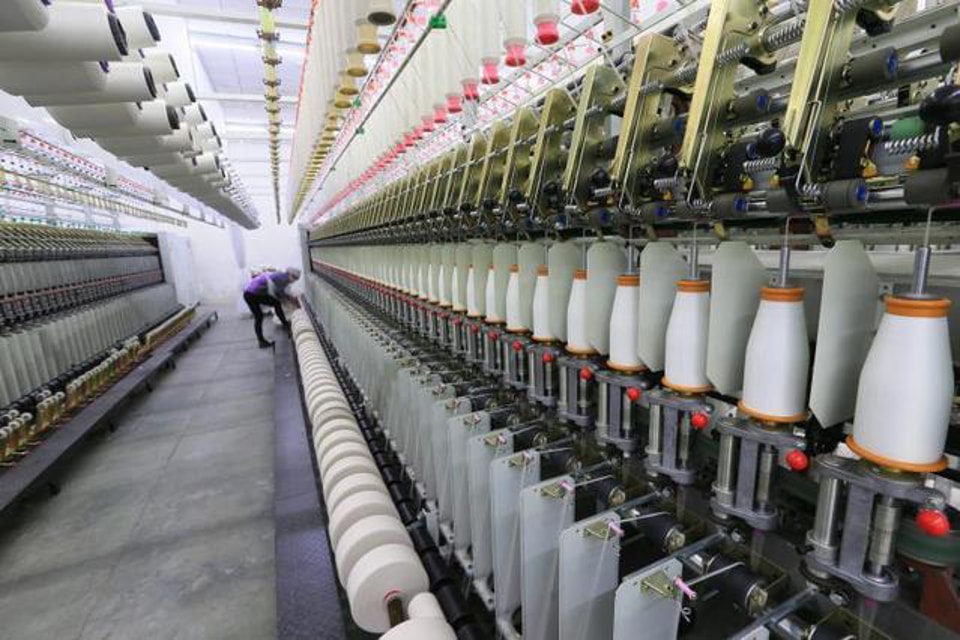
Characteristics and Future Development Trends of Textile Machinery
Textile machinery plays a vital role in modern industry. Its main characteristics and development trends are reflected in the following aspects:Firstly, textile machinery features outstanding process applicability, continuous operation and complete set performance. Such equipment can perfectly accomplish a full range of textile production procedures and guarantee continuous and integrated production. Secondly, modern textile machinery is distinguished by high running speed and low maintenance cost. It effectively boosts production efficiency and cuts maintenance expenses, thus improving overall operational benefits of enterprises. In addition, standardization, serialization and universalization have become increasingly prominent features. Unified industry standards enable convenient equipment selection and replacement, greatly enhancing production flexibility and diversification. Lastly, low energy consumption, low noise and low pollution have become core features and mainstream development directions. Environment-friendly textile machinery saves energy resources, reduces environmental pollution and conforms to the concept of sustainable development.Translate broad trends into a purchase briefProcess applicability should be checked against the actual product, not inferred from the name of a machine family. A textile plant may need to compare fabric structures, yarn types, working widths and pattern requirements before narrowing the equipment shortlist. Share physical samples and a process route with suppliers. Ask them to distinguish functions included in the proposed model from optional configurations or functions available only elsewhere in the product range. This makes a comparison of complete production lines more meaningful than a comparison of isolated claims.Continuous operation is a planning objective, not a universal guarantee. Discuss the interfaces between material preparation, knitting or weaving, inspection and subsequent finishing. A bottleneck at one stage can limit the value of an otherwise well-specified machine. When comparing proposals, document operator tasks, changeover procedures and the maintenance access needed at each stage. Confirm the exact configuration against a demonstration using representative material where possible; do not use general statements about high speed as a substitute for an application-specific trial.Standardization and serviceabilityStandardization can simplify training and spare-parts planning when a plant operates multiple models, but interchangeability must be checked part by part. Ask for the machine manual, a model-specific parts list and guidance on routine inspection. Identify who handles installation, troubleshooting and operator instruction, and agree on a practical process for recording faults. Comparing the support arrangements is as important as comparing the control interface: recurring cleaning, adjustment and calibration require people, tools and a clear responsibility chain.Environmental considerationsLower energy use, noise and emissions are worthwhile evaluation goals. They should be supported by comparable measurements under stated conditions rather than assumed from a marketing category. Request the rated electrical requirements and ask how any proposed energy or waste-reduction feature will be assessed with your own yarn and design. Include local site requirements, ventilation and waste handling in the discussion. The most useful procurement document ties process fit, maintenance, energy and operator requirements to the same reference product and records which assertions are verified, proposed or still awaiting a test.The trends outlined above provide a framework for questions rather than a forecast of every textile machine. Defining samples, configuration boundaries, integration points and support requirements helps purchasers make a technically grounded selection without implying any particular production capacity, payback period or guaranteed performance.
Read More